
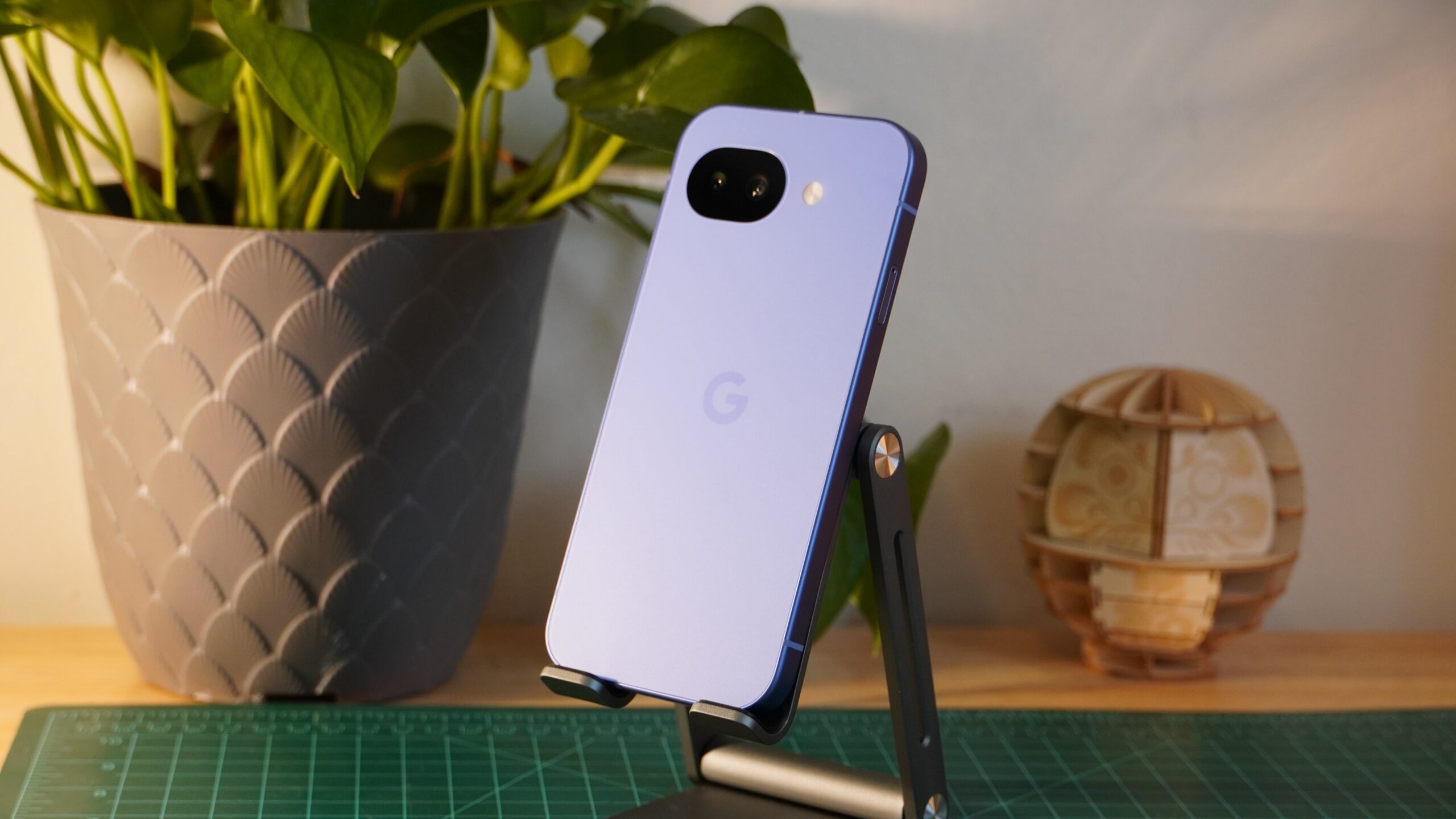
The Pixel 10a has arrived to give Google fans a newer affordable option at $499. But apart from a few minor design tweaks, the addition of Satellite SOS, and a slight extension to the software support window, the Pixel 10a doesn’t shake things up. While it would prove a good option if every other phone stuck to its retail price, there’s no ignoring the fact that the Pixel 10a is launching months after the Pixel 10 has already seen discounts as low as $550.
Pixel 10a – Design and Features
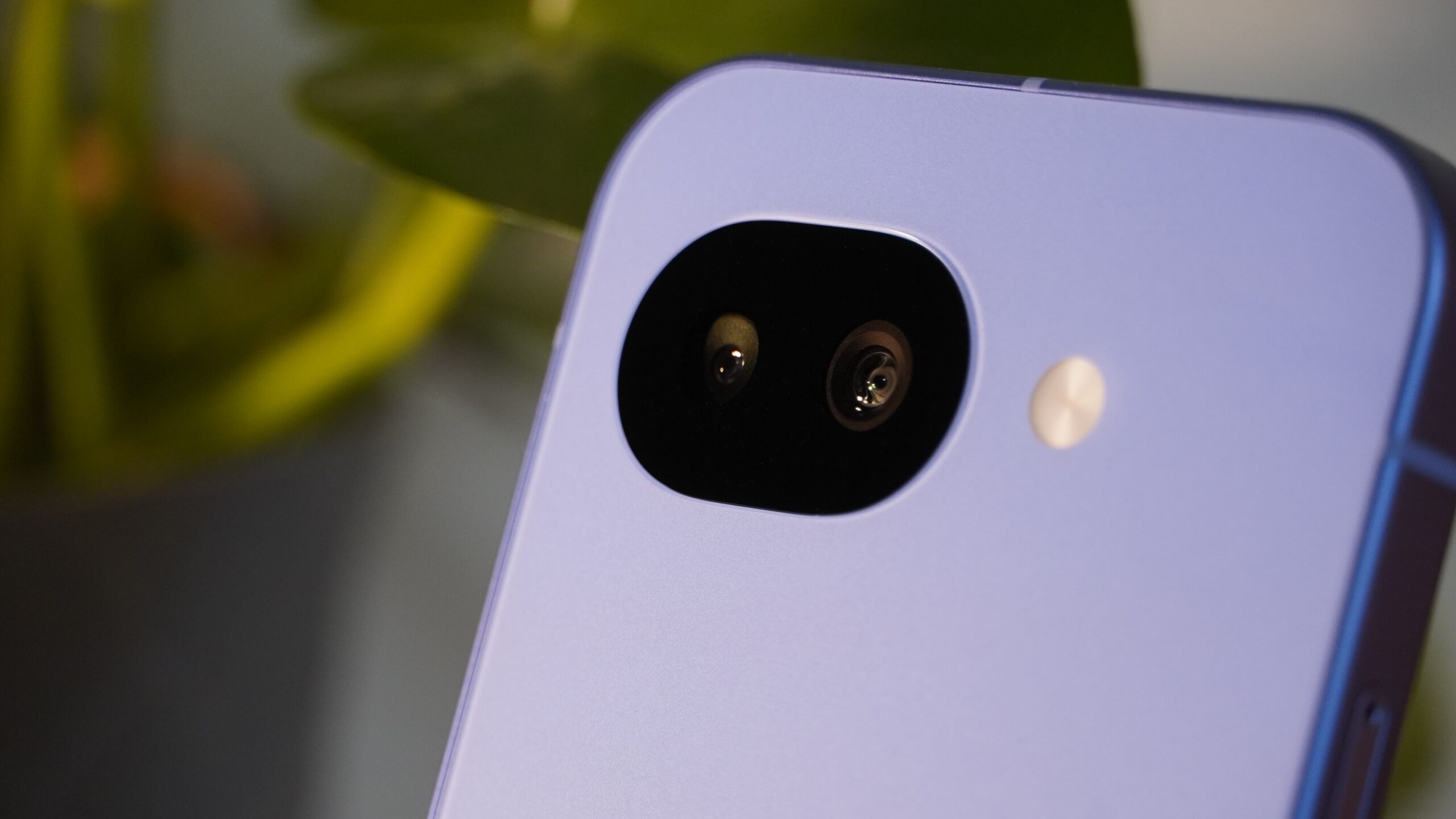
Google’s Pixel 10a isn’t revolutionary or even exciting. It borrows the tame looks of the Pixel 9a, which had eschewed the eye-catching camera bar of mainline Pixel models. But where the Pixel 9a’s cameras rose up slightly from the back of the phone, the Pixel 10a’s cameras actually sit slightly below the back surface. This was a point Google emphasized in its launch, but it’s not a unique technical achievement considering RedMagic’s bold gaming phones have done so for a few years running.
The display is respectable, but pretty much no phone at or over $500 can get away with much less. The 6.3-inch screen offers a fair 1080×2424 resolution that’s plenty sharp for most uses. It can run smooth at 120Hz but doesn’t have the ability to drop down to 1Hz for extra efficiency. Still, it’s hard to get mad at a colorful OLED that can reach as high as 3000 nits.
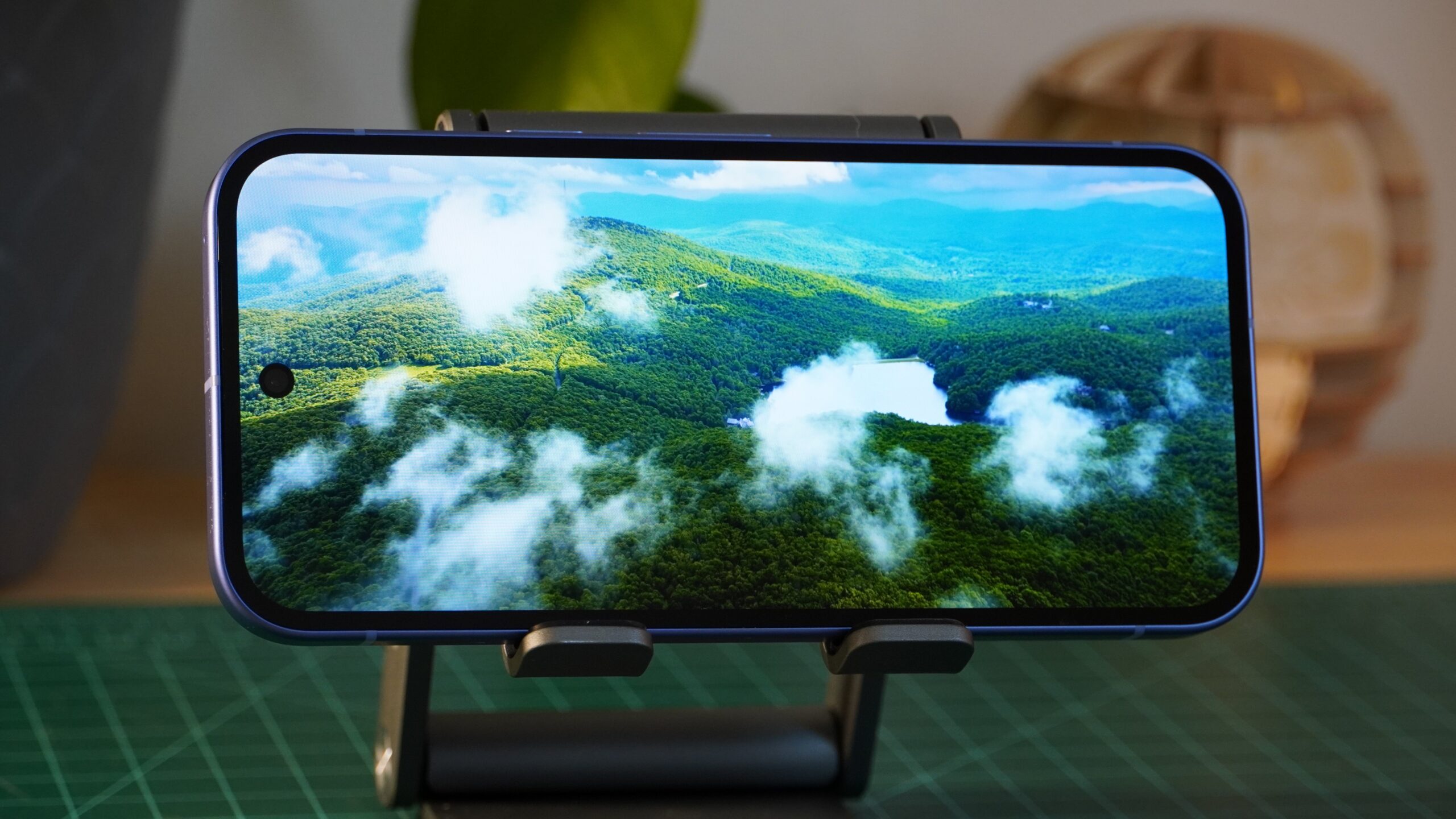
The display is flanked by stereo speakers. One ports out the bottom of the phone while the other is tucked into the earpiece. They put out decent volume, though I found them a touch harsh while gaming and had trouble hearing podcasts in the kitchen over cooking noises.
The phone’s footprint is modest. It’s larger than the Pixel 9 but mostly smaller than the Pixel 9a save for a slight bump to thickness. It’s comfortable in the hand but doesn’t feel totally compact. Part of that is because its 6.3-inch display still has somewhat thick bezels all the way around. Google claims they’re thinner than the Pixel 9a’s bezels, but neither are competing for record thinness.
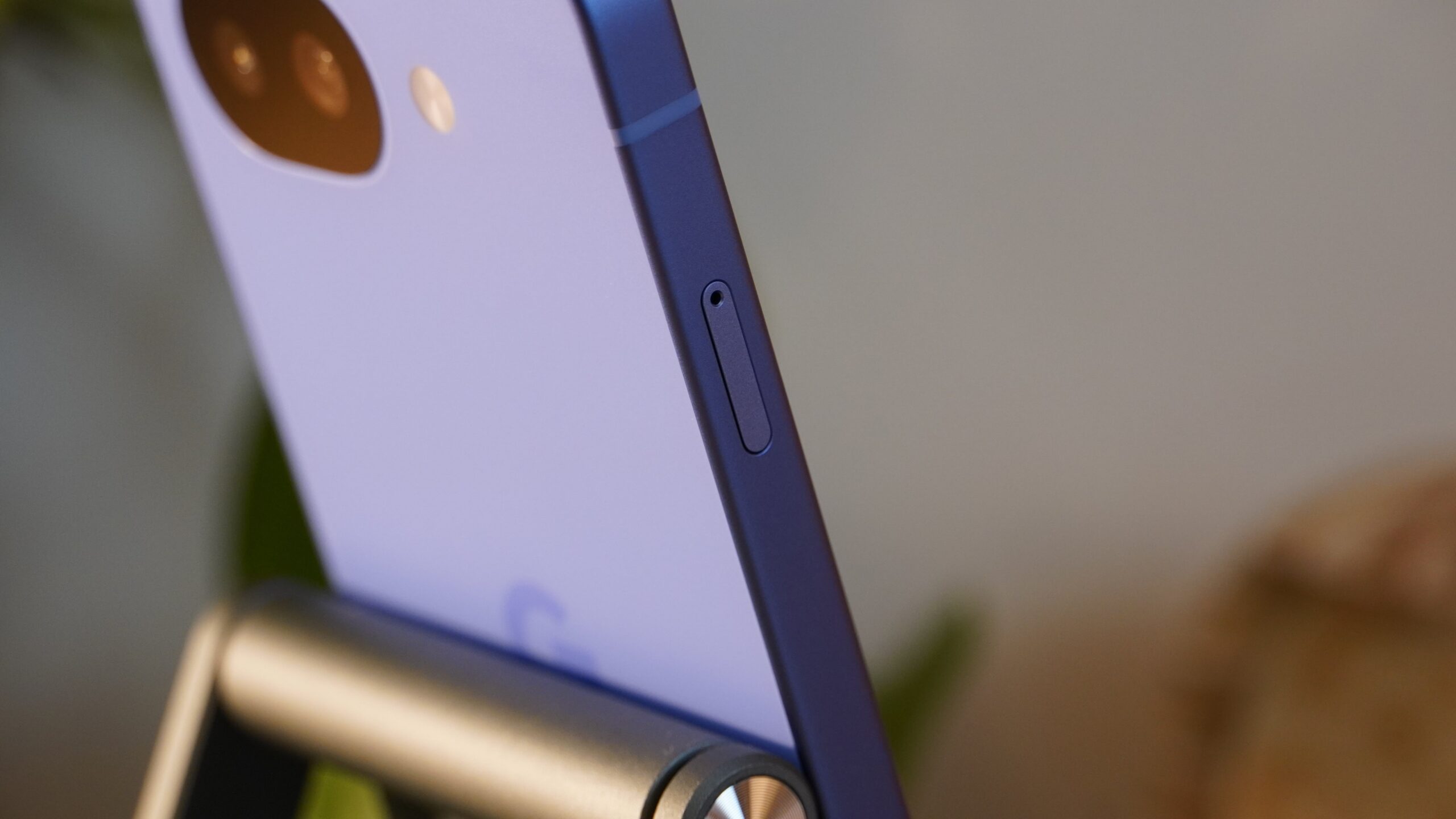
The choices Google made for what to pack into the compact frame are interesting. It made some nice inclusions, like a physical SIM slot to complement the eSIM support. The phone gets a USB 3.2 port for faster wired data transmission. Google even opted to include the necessary hardware for Satellite SOS, something the Pixel 9a missed out on.
Google left some surprising things out, though. There are no magnets to allow for Qi2 and Pixelsnap accessories. The Pixel 10a can still wirelessly charge, but only at up to 10 watts. And though 30W charging is supported, you’ll need to have your own capable charging brick.
The Pixel 10a can unlock with facial recognition or an under-display fingerprint scanner. Both worked quickly in my testing.
Durability should be OK but not amazing. Gaskets are built in to give the phone a commendable IP68 water resistance to keep dust and water out even under almost five feet of water. The plastic back material feels nice and glassy, but shouldn’t shatter like glass if dropped. Gorilla Glass 7i on the front has avoided blemishing in my time testing, but it doesn’t promise as extreme drop- or scratch-resistance as the Gorilla Glass Victus showing up on more flagship phones. The phone gets an aluminum frame, and Google matches it to the rear color, but this can scratch up
Pixel 10a – Software
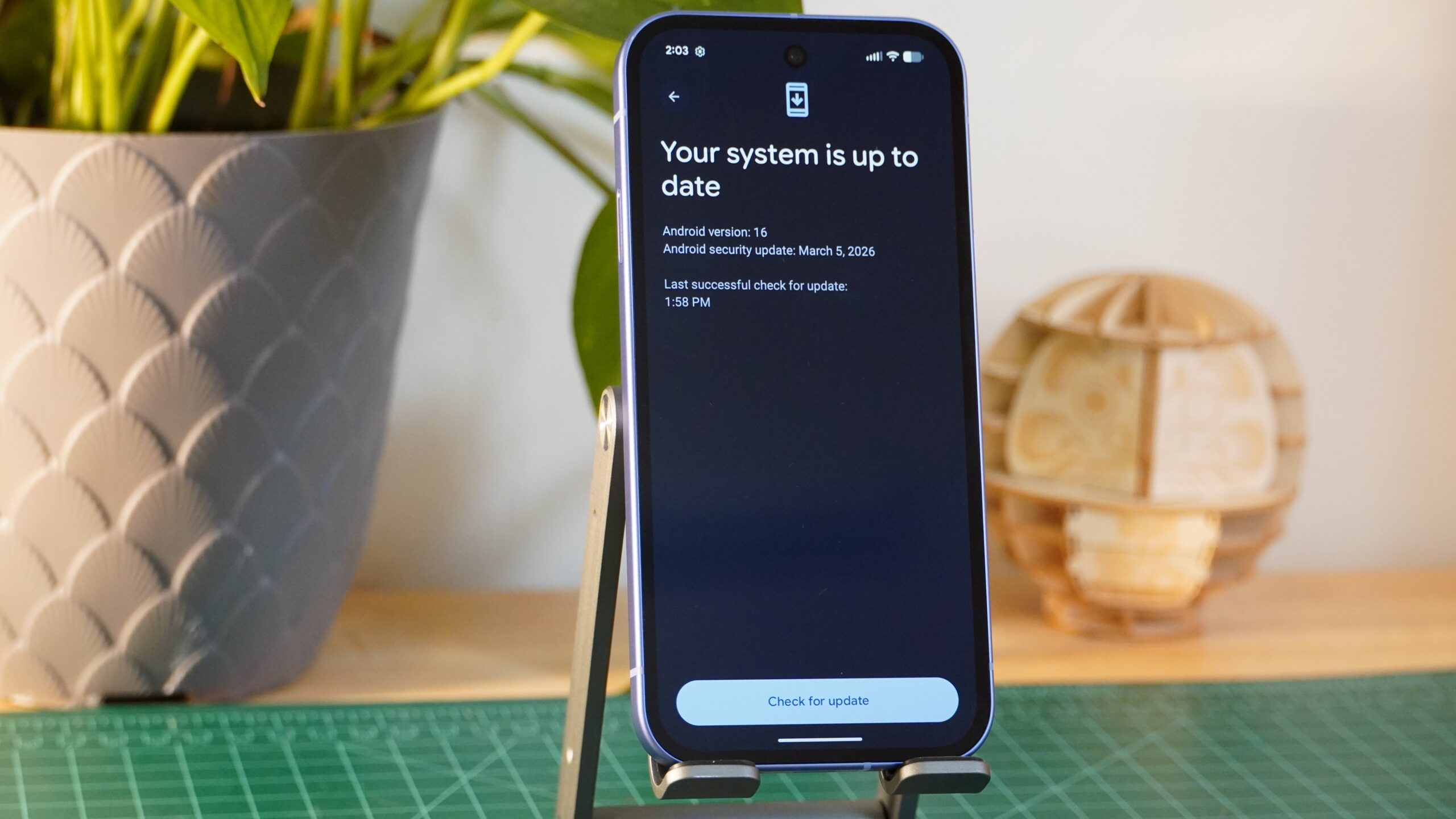
The Pixel 10a comes running on Android 16 and Google promises 7 years of support with OS and security updates alongside its Pixel Drops, which brings new features now and then. This long-term support may be one of the Pixel 10a’s most compelling features, as this kind of support is already rare for any phone, let alone one without a flagship price tag.
Some highlight features of the Pixel 10a’s software are support for Auto Best Take and Camera Coach in the camera app, helping users frame photos and capture group shots without anyone blinking. The phone also supports a new Quick-share feature that’s compatible with iPhone’s Air Drop. In testing, this let me share a file directly with an iPhone with just a couple taps.
Pixel 10a – Gaming and Performance
The Pixel 10a didn’t get any notable under-the-hood upgrades. It has the same Tensor G4 chip that the Pixel 9 and Pixel 9a came running on. That chip was already trailing Qualcomm’s Snapdragon chips when it launched, and the gulf is only widening. Its 8GB of RAM is less than the Pixel 9 included, but hasn’t been an impediment in regular use.
It’s not as though the Pixel 10a is slow. In everyday use, it’s been able to keep up just fine. It fluidly ramps up to 120Hz for smooth animations while swiping around, and it browses the web without fuss. It can handle light games well. I played an hour of Carrion and the phone only got slightly warm, and I couldn’t tell whether that was because of the game or just the phone's curious tendency to get a little warm. It even handled Rainbow Six Mobile at Ultra settings smoothly. Bigger, more demanding games like Where Winds Meet can’t go all-out, though. The Pixel 10a was able to run the game at its Ultra graphics preset, but it was capped to 30fps. It largely maintained that framerate at least. The phone seems to throttle enough to avoid getting hot in use, but warmth is almost constant.
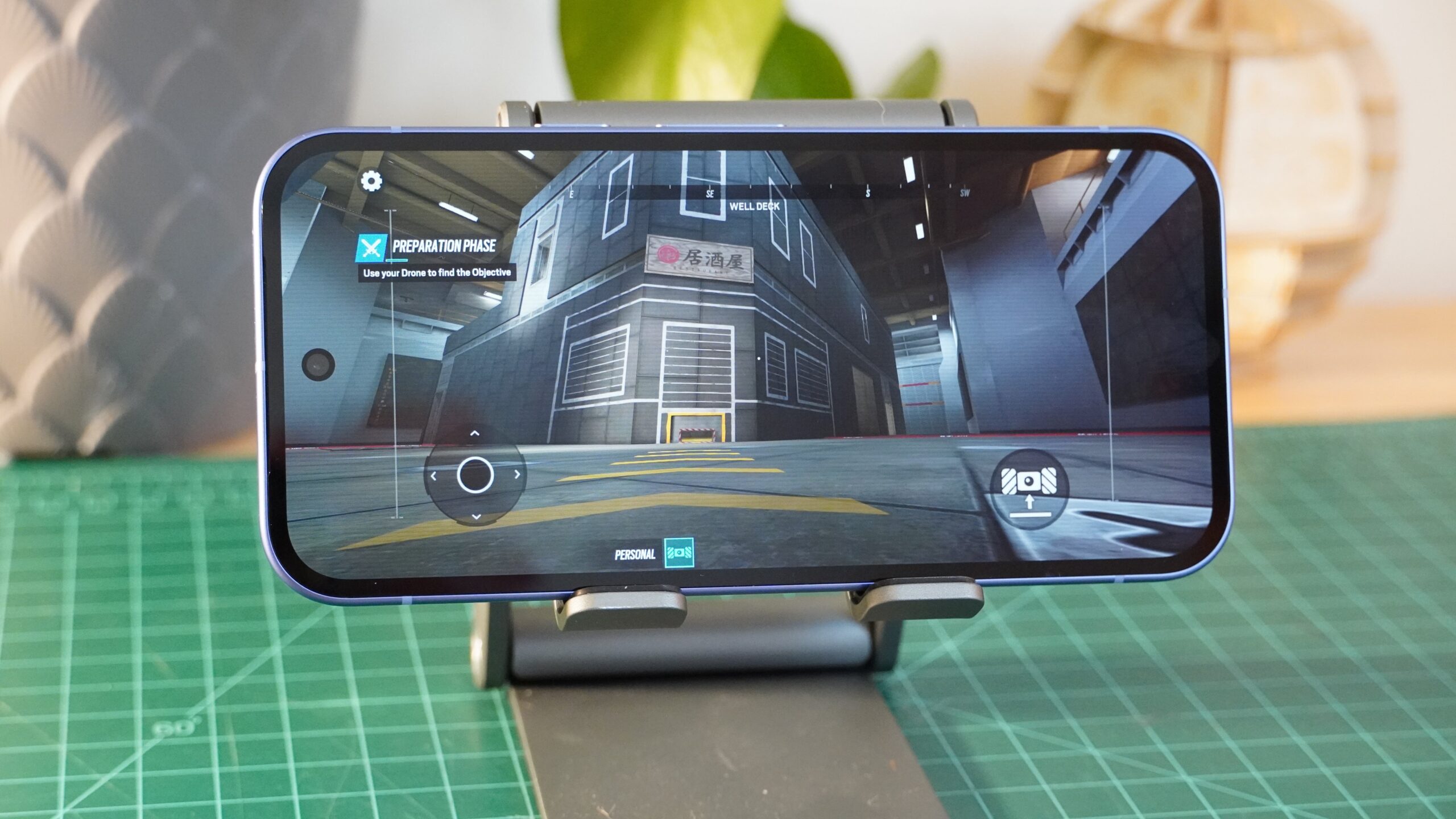
While serviceably fast, the performance limits that exist today are only going to become bigger impediments in the future as more demanding games and apps arrive. So even if Google continues to support the phone with software updates, its hardware may simply not be viable for much at the end of that support window.
Compared to other recent devices, the Pixel 10a’s performance leaves a lot to be desired. It falls shy of the budget Poco X7 Pro in multi-core and graphical performance by a considerable amount. That only widens when facing off against a more potent device like the OnePlus 15R, which the Pixel 10a tended to fall anywhere from 30 to 50% behind. The Pixel 10 also comes out ahead of the Pixel 10a, albeit not with much of a graphical bump to speak of. And though it may seem like an obvious outcome for the Pixel 10 to exceed the Pixel 10a, it matters for potential buyers because the Pixel 10 has already seen discounts that bring its price far closer to the 10a’s price than MSRP would have you believe.
The battery life of the Pixel 10a is good, but not impressive. It fits in a 5,100mAh pack just like the 9a, and it’s been good for all-day battery life with a little juice to spare. But the phone seems to have a bit more passive drain overnight than I’d like, so I don’t expect to easily get through two days of heavy use.
Pixel 10a – Cameras
The cameras have generally been a highlight of Pixel phones, and though the budget series makes some sacrifices, they can still perform well. That said, the Pixel 10a does nothing new. It has the exact same camera system as the Pixel 9a. Considering that it has the same SoC as the Pixel 9a, there’s really nothing new this phone can do in the camera department.
- 48MP wide, f/1.7, 1/2”, OIS, EIS
- 13MP ultrawide, f/2.2, 1/3.1”, 120-degree FoV
- 13MP Selfie, f/2.2, 96.1-degree FOV
It’s not entirely bad news. The main sensor was great last year and is still great this year. It captures plenty of light, helping make the most of even dim environments. It provides sharp and colorful images with a ton of detail. The wide aperture also lends to a soft background blur when taking close-ups.
Google would say the sensor is good enough to zoom in digitally, but most shots I took with digital zoom don’t hold up well when viewed at full size. Zooming into 2x on the phone does have some advantages over simply zooming in on a 1x photo, as the phone does extra noise reduction and sharpening, though even that doesn’t make it a great photo.
The ultra-wide sensor is useful to have for getting extra perspective on large and close subjects. It gets a good amount of detail, even if it can get soft around the edges. It’s not a perfect complement to the main sensor, though, as I caught it shifting the color temperature from the main sensor, which can make for an inconsistent series of photos. The tighter aperture also doesn’t let it perform as well in dim environments, so where the main sensor may be capturing crisp and clear shots, switching to the ultra-wide sensor could lead to noisy photos.
The selfie camera is also acceptable. It gets decent light and natural colors alongside a wide enough FOV to capture a couple of friends in the same shot.
While not mind-blowing, the quality of the cameras on the Pixel 10a is still enough to keep it somewhat protected against the OnePlus 15R or Poco X7 Pro for anyone who prioritizes photos over gaming performance. That said, it still leaves the Pixel 10a facing off against the reality that the Pixel 10 has been (and almost surely will be again) on sale for $550-$600, and offers a big advantage with its additional telephoto sensor.
Mark Knapp is a contributing freelancer for IGN covering everything electronics and gaming hardware. He has over 10 years of experience in the tech industry with bylines at PCMag, Reviewed, CNET, and more. Find Mark on Twitter @Techn0Mark or BlueSky at @Techn0Mark.