
The Nothing Phone 4a Pro is a proper midranger, coming in with a starting price of $499. It doesn’t boast a flagship chip or exotic materials, but it doesn’t shy away from premium elements either. What it may lack in some departments, it may more than make up for with its cameras. So if you’re looking to get a great value smartphone with an emphasis and photographic capabilities, this is one to look at.
Nothing Phone 4a Pro – Design and Features
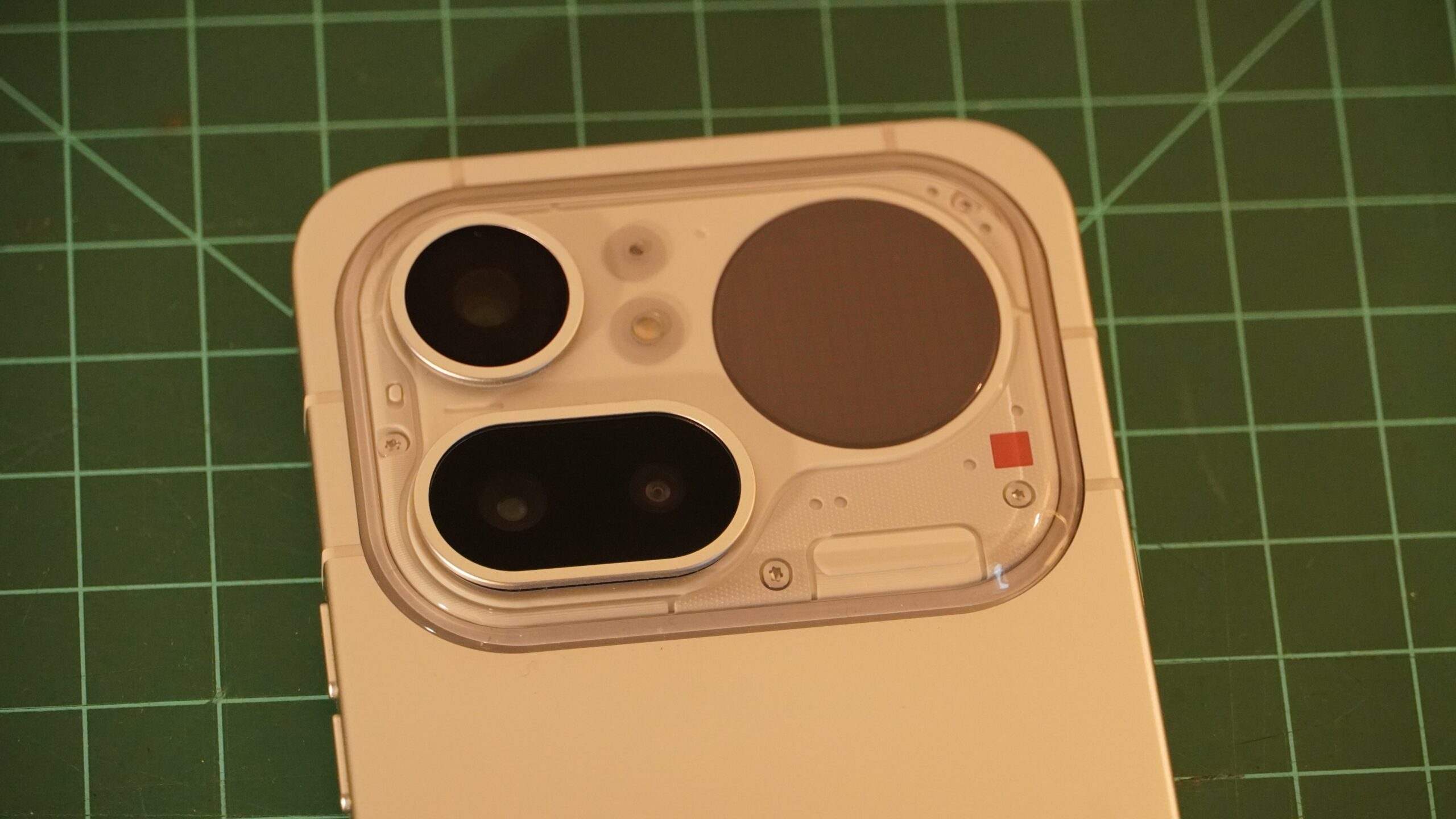
The Phone 4a Pro is perhaps Nothing’s most tastefully done design yet. Its metal frame wraps all around the edges and swoops around to cover most of the back surface as well. It’s somewhat iPhone-esque in this approach, but it doesn’t leave the carveout for wireless charging that Apple did.
The camera housing is a large plastic mound that also has a vibe crossed between the latest iPhones and yet is distinctly Nothing with its multi-tone color scheme, visible screws, and a roughly one-inch circle filled with a dot matrix display. The cameras also get a funky layout with two in a shared pill-shaped cover and one standing apart in its own cover.
It’s a great look, and will perhaps be less contentious than some of Nothing’s other hardware. The feel in the hand is solid with so much metal to contact. It’s a large phone at a hair over three inches wide and 6.44 inches tall, though, and will be unwieldy for smaller hands, but no more than the iPhone 17 Pro Max.
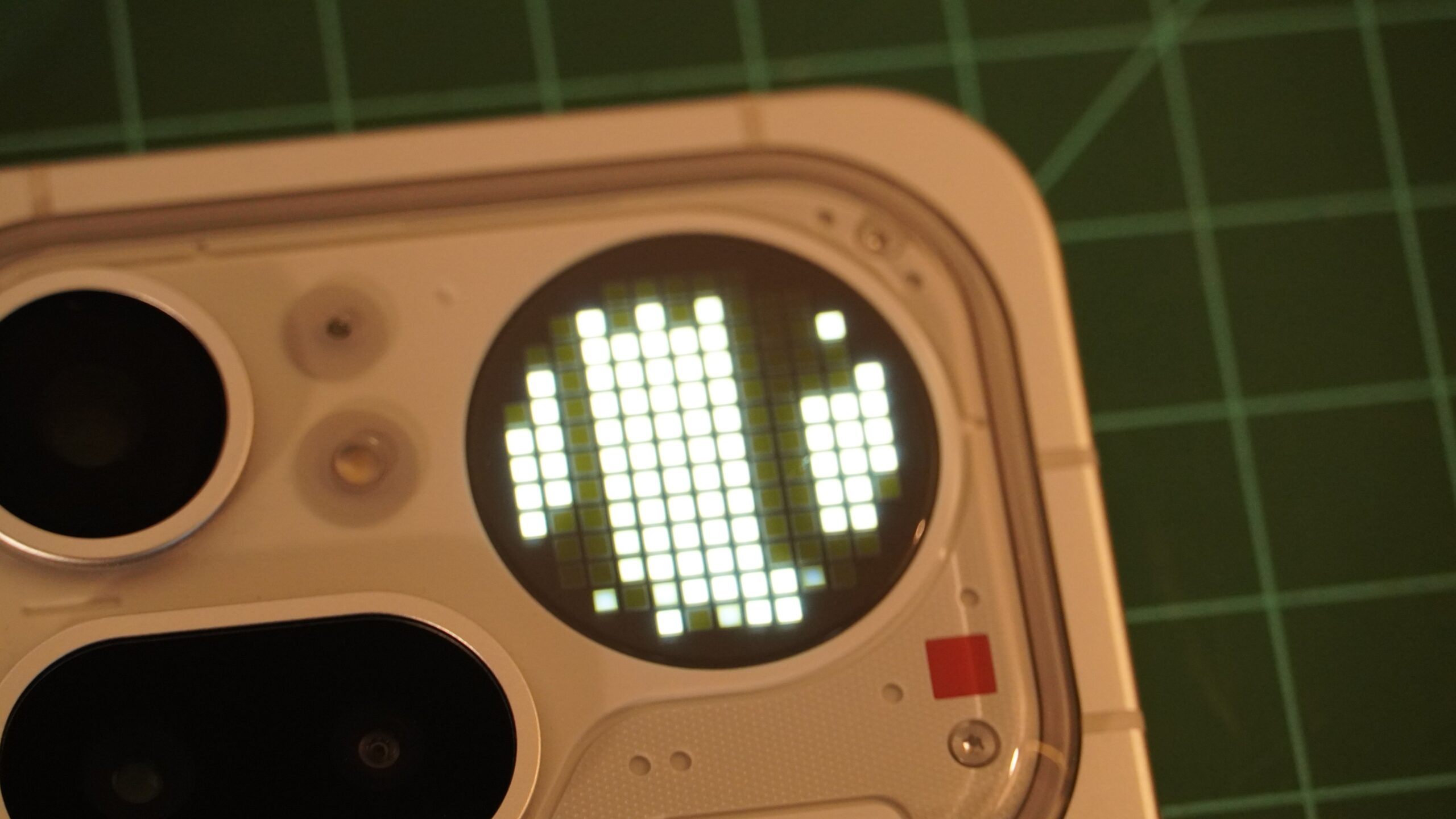
The dot “Glyph Matrix” display is not terribly compelling here. It can still display a few fun little things, like a spin the bottle game, timer, and battery charging level. With just 137 dots, it’s not very crisp, though. The selfie mirror that was somewhat useful on the Nothing Phone 3 is rather hard to use here as it’s simply too difficult to distinguish what’s on the display for framing. At least this time the selfie mirror automatically activates when the camera is running, rather than using a separate, slow, and confusing pipeline as on the Nothing Phone 3.

The screen on the Nothing Phone 3a Pro is great. At 1280×2800, it’s wonderfully sharp for a 6.83-inch panel. It offers the gorgeous color and contrast of AMOLED with very respectable brightness levels for use in any environment, though glare still hurts. And its 144Hz refresh rate ensures it’s plenty smooth in regular use – just don’t count on that refresh rate for serious gaming. A fingerprint scanner is embedded under the display and works quickly, though is positioned a bit too low for comfortable reach while one-handing the device. Nothing applies a screen protector at the factory, so the display is protected from the jump, though it has a knack for showing finger oils.
The phone is otherwise protected with IP65 dust and water resistance, which is enough to keep dust and such out entirely but isn’t meant to stand up to more than low-pressure water. So, no dunks in the pool or pond. Nothing says the phone is “Tested for water immersion up to 25 cm for up to 20 minutes,” but I wouldn’t recommend counting on that as an assurance since even fully IP68 certified phones don’t get warranted against water damage by manufacturers.
The phone’s speakers aren’t quite as impressive as the display. They put out decent volume, but when they’re cranked, the meager bass levels sink and lead to a grating tone. It works for podcasts or audiobooks well enough, but you’ll want to stick to lower listening levels to get OK sound quality.
The Nothing Phone 4a Pro offers support for multiple SIM cards as well as eSIM, giving it an edge over Pixels and iPhones, which are toward eSIM only. The phone is lagging a bit behind on its connectivity offerings though, only providing Bluetooth 5.4 and dual-band Wi-Fi 6. 5G networking has worked without a hitch on T-Mobile in Chicago during my testing at least.
The USB-C port on the bottom of the phone isn’t so great. It tops out at USB 2.0 speeds and doesn’t provide display output capabilities. It does support 50W fast charging, which is a solid level. Of course, with the aluminum rear panel, there’s no wireless charging available.
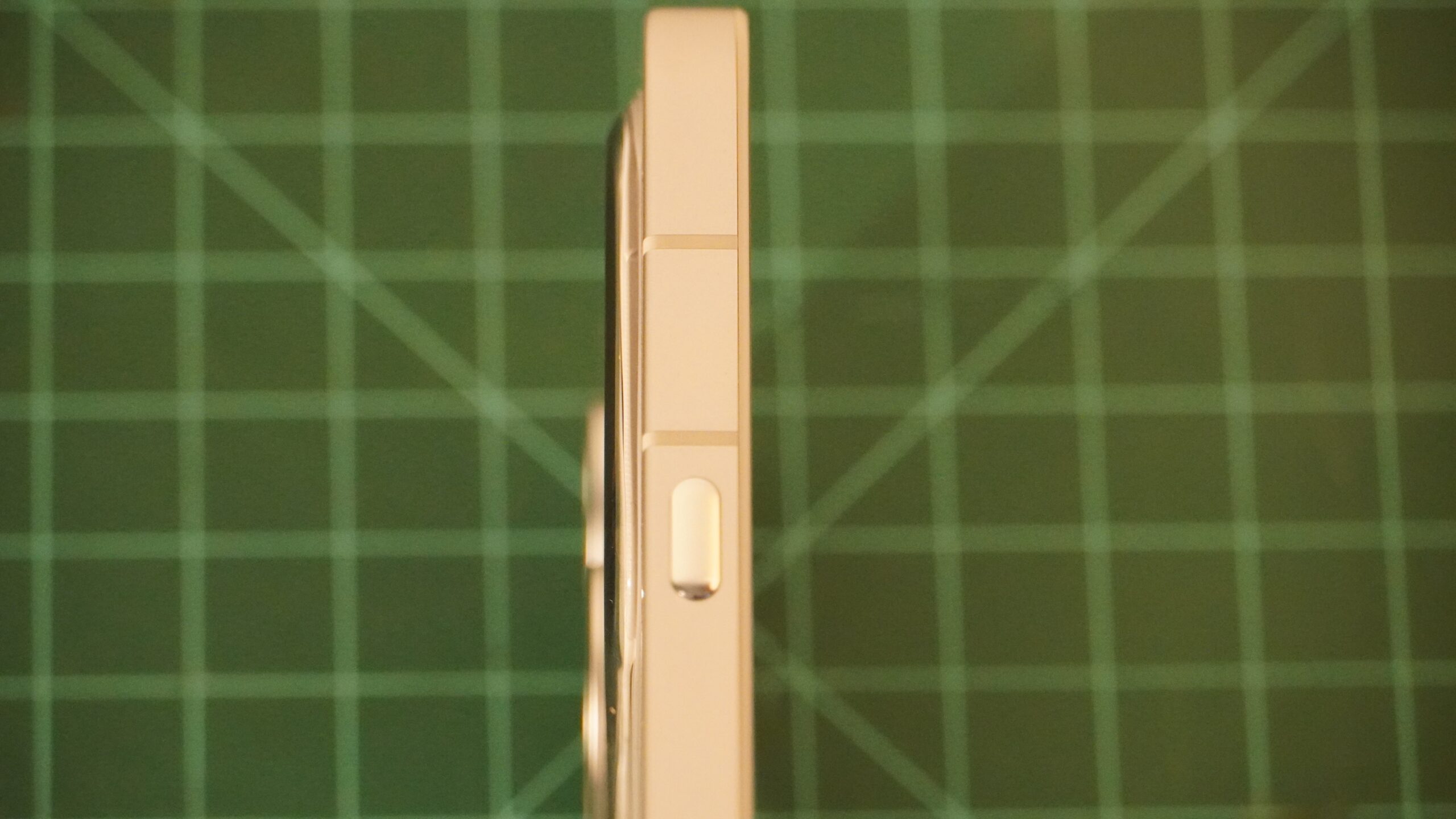
While the 4a Pro has the typical power and volume buttons along its right edge, it also has a special AI button on the left edge. This integrates into Nothing’s “Essential Space.” Tapping the button grabs a screenshot and lets you add a note, while holding the button records a voice memo.
Nothing Phone 4a Pro – Software
The Nothing Phone 4a Pro comes running Android 16 and is promised three major OS upgrades and four years of security patches, which is on the short side next to Google, Samsung, and Apple, but not altogether bad for a mid-range device. At four years, I’d expect the performance of this phone to start readying many folks for a leap to a new generation of hardware, especially with evolving on-device AI processing being pushed so hard (to say nothing of Nothing’s own AI ambitions).
I won’t dive into the Nothing’s AI-powered Essential Space deeply, as that would be a full review in itself. It’s worth noting, however, that use of the app requires giving it full access to your photo and video and library on the phone. It even recognizes when it has been given limited access and will not operate. If you’re not a fan of letting AI-anything have that kind of access, be prepared to get no use out of the app and have a button on the phone that ultimately does nothing for you.
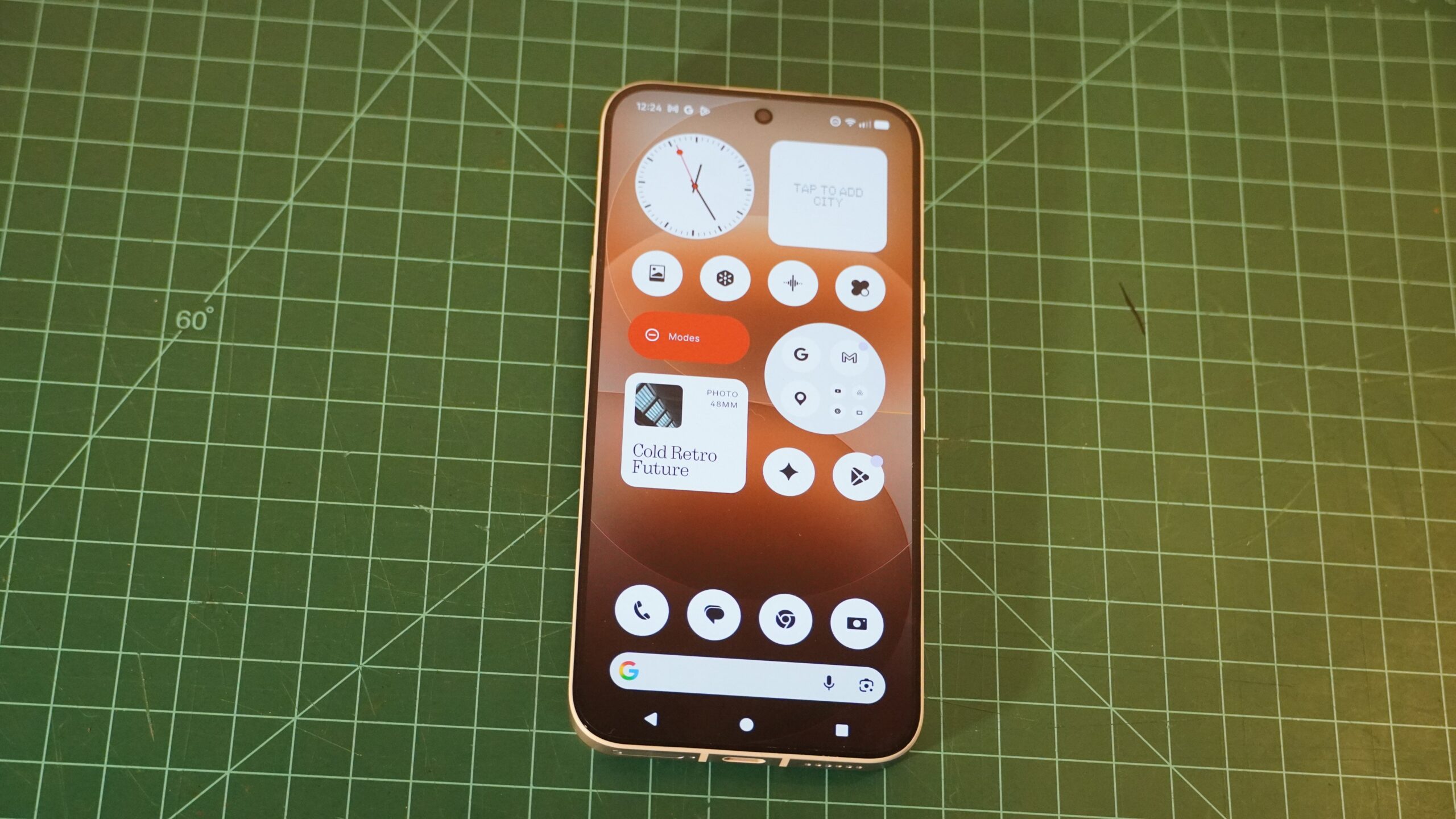
As for Nothing’s take on Android, it immediately presents users with its stylish, black-and-white, minimalist skin or the option to go for a basic, colorful option. The latter may be good for legibility, as the former looks slick, but makes even familiar apps hard to recognize by their icons on the home screen. Beyond this, there’s nothing notable about the customization of Android, with it feeling much like a Pixel phone to use.
Nothing Phone 4a Pro – Gaming and Performance
Nothing has always focused on value more than performance, and the Nothing Phone 4a Pro is no exception. It runs on a modest Snapdragon 7 Gen 4 chip with either 8 or 12GB of memory (my test unit came with 12GB). This doesn’t make it exceptional for gamers, though it still handles itself decently. The phone could run Where Winds Meet with its Ultra graphics setting at 30fps stably for a half hour without getting exceedingly hot, but it wouldn’t go beyond that. Lighter games should be no problem. It doesn’t perform much better than its competition. Even the Pixel 10a beat it across the board in Geekbench 6 and 3DMark CPU and GPU test benchmarks.
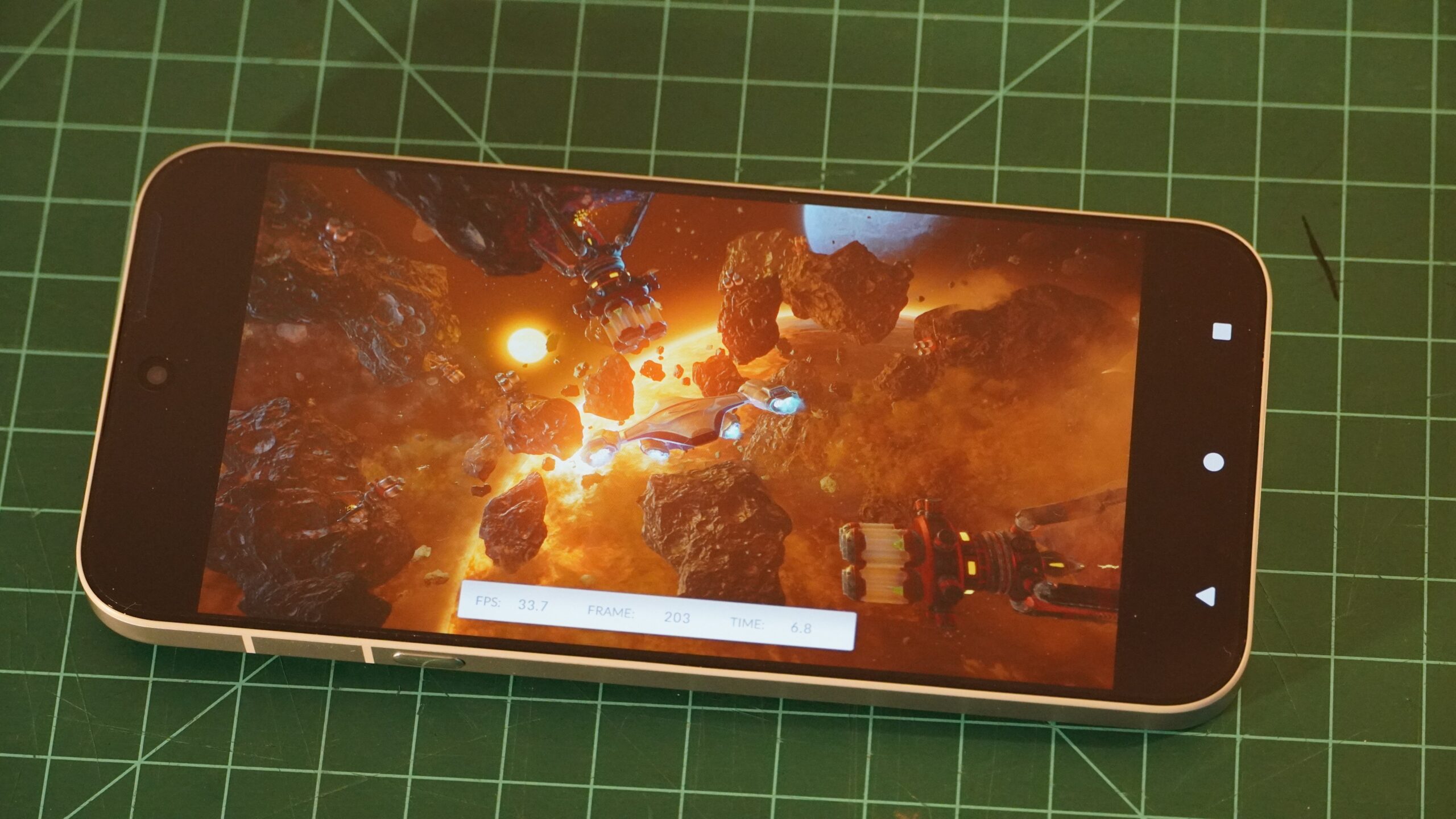
It’s not just a matter of special settings either. The phone has a Game Mode with a further Performance Mode setting, but that appears to have little impact on actual performance. Both Geekbench 6 and 3DMark scores were hardly affected by this setting being enabled and weren’t even consistently improved. At least the phone avoids building up too much heat, running with 99.4% consistency during a 20-run stress test with 3DMark’s Steel Nomad Light benchmark.
All told, the phone still offers smooth operation in everyday use. I never noticed stutters or slowdowns. It’s just not doing much in the way of extreme performance. Efficiency may be more its focus. The phone happily plugs along through the whole day and then some. Over the course of testing, I went a few days without using the phone and was surprised to see some extreme standby efficiency, with the phone still up and running with charge to spare even though Airplane mode had not been turned on.
Nothing Phone 4a Pro – Cameras
The cameras on the Nothing Phone 4a Pro are its chance to shine. Despite being a mid-ranger, it attempts to offer an array of sensors that’s more often limited to high-end models. Even Apple doesn’t give its base iPhones triple-sensor setups. Here’s a rundown of the cameras included on the Nothing Phone 4a Pro:
- 50MP Wide, f/1.88, 1/1.56”, OIS, EIS, PDAF
- 8MP Ultrawide, f/2.2, 1/4”, 120-degree FOV
- 50MP Telephoto, f/2.88, 1/2.75”, 3.5x optical, OIS, EIS
- 32MP Selfie, f/2.2, 1/3.42, 89-degree FOV
Nothing shows its chops well with this setup. The main sensor does a great job gathering light and crisp details. It shoots wonderful portraits and has a wide enough field of view to grab decent scenery shots without needing to step over to the ultra-wide sensor. Using the Glyph Matrix on the back, it can also work for even higher-quality selfies than the already solid selfie camera manages.
The zoom lens is one of this phone’s super powers. It’s not crazy, but with 3.5x optical zoom on a high-res sensor, it can look pretty darn good even when bumping up to 7x. Even though the Pixel 10 has a 5x optical zoom, its lower resolution actually sees the Nothing Phone 4a Pro come ahead slightly in some elements, especially when pushing into digital zoom. It just tails the Pixel 9 Pro tele sensor. The camera does a great job locking onto a subject and stabilizing, too, which helps immensely when trying to frame a far-off subject. With all the detail it provides on more distant subjects, it’s really a rocking addition to the phone.
The ultra-wide is a little soft and really calls for bright light. But in sunny, outdoor shooting, it proves a useful complement to the rest of the lineup.
All in all, the camera setup and its performance is quite impressive for a phone of this price. I wouldn’t have been surprised to see it on a much more expensive device. For photography-minded users, this certainly makes up for any deficits in the performance department.
