
The original art director of Magic: The Gathering, Jesper Myrfors, has once again taken to social media to offer some interesting behind-the-scenes insight into the early days of the game, this time explaining his efforts to ensure Magic "celebrated female empowerment along with male empowerment" through a simple rule: "No babe art!"
In a Facebook post over the weekend, Myrfors spoke at length about his intentions for inclusivity in card art, and his efforts to hire women artists for the game. He says he wanted to ensure that Magic was appealing to women and men, particularly in the midst of a wider gaming environment that was often "less appealing for women" in no small part due to portrayals of female characters as "window dressing".
Here's how Myrfors put it:
When I was art directing Magic, one of my rules was "No babe art!" That is no artwork that shows a scantily clad woman in a subservient or weak position. I really did want Magic to appeal to a broader group than traditional fantasy. My gaming groups had included women for years, I saw the things about gaming that made it less appealing for women first hand. I also firmly believe that women have a bigger role in fantasy than window dressing. I made a point of hiring a lot of women artists on the game because I wanted magic to have it's own look and I figured in a male dominated industry, the voices that are not as often heard would provide that look easily. While we leaned on tropes I wanted to avoid clichés. I wanted this to be a world that celebrated female empowerment along with male empowerment and not just portray women as damsels who needed rescuing.
Was this "Woke?" If you think so you are probably an idiot. Seriously, get help.
This game was meant for all people. I did not want to just create another male power fantasy. There is nothing wrong with male power fantasies. They are fantasies. People are allowed to have fantasies. I grew up reading the Conan books and I enjoyed them greatly but I wanted a bigger audience. I wanted an inclusive power fantasy that did not favor a single sex. If the word "inclusive" sounds "woke" to you I once again suggest that you may be an idiot. I have had female friends my entire life, they have always been included in what I am doing. This was normal for me, not "woke". "Woke" is a term weak men use derogatorily to hide the fact that they see inclusion of anyone other than themselves as a state of victimhood. It's frankly embarrassing. We all see your weakness for what it is, you are not fooling anyone but yourselves.
Myrfors goes on to acknowledge that the No Babe Art rule was not 100% enforced, referencing the infamous example of Earthbind:
And it's worth noting this is far from the only example of the type of art Myrfors was trying to avoid that made it into Magic over the years. The sets he worked on mostly avoid the tropes Myrfors was cautious of, if not entirely, and some of the more salacious cards were drawn by women, and masculine and feminine bodies are both depicted. Myrfors is clear that he has "no problem with scantily clad women" and just didn't want the subject matter to "flood" Magic: The Gathering. "It's crazy to me that one of the secrets to Magic's success was as obvious and simple as 'hire talented women'," he concluded. Five of the 25 artists who worked on Magic's first release of cards were women.
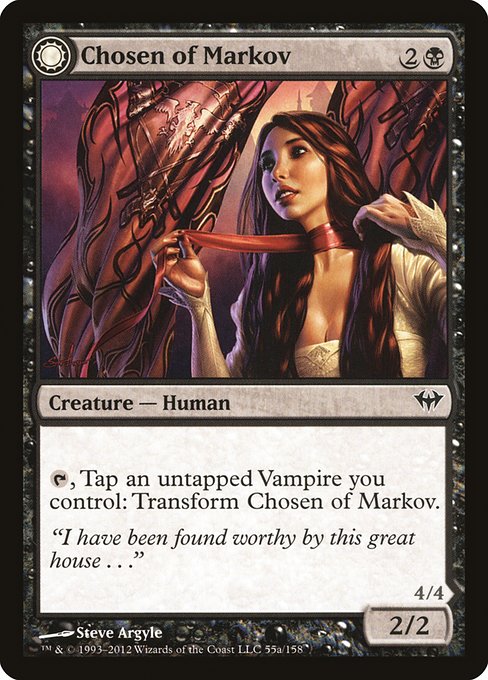
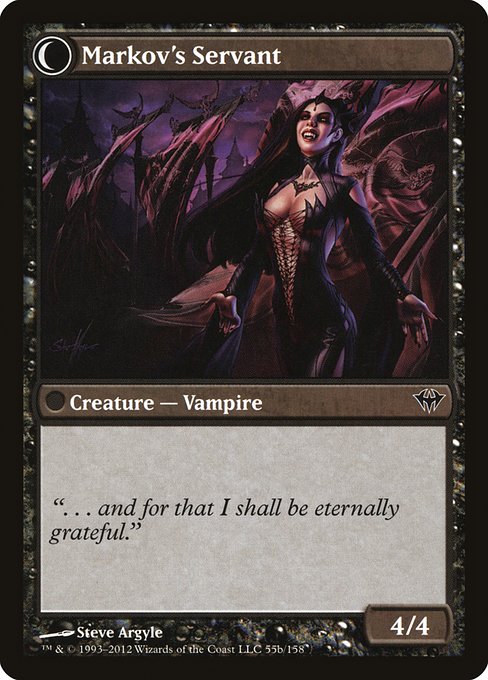
Myrfors' efforts early on didn't magically turn Magic into a perfectly-inclusive space. Since Myrfors departed Wizards, there have admittedly been a number of cards that do fall into the "babes" category (here's just one example, combined with its transformation, and here's another). It was notable enough that in 2018, designer Mark Rosewater announced that Wizard was moving away from both scantily clad women and men, as it “would make a subset of players feel uncomfortable to play it.” Prior to that in 2015, Rosewater shared that the gender breakdown of the game at the time was 62% male and 38% female. And women have historically reported feeling underrepresented and alienated in the community, particularly at larger competitive events and regular playgroups.
Myrfors has been speaking a lot on Facebook over the last few months about the creation of the original art for Magic: The Gathering, including a breakdown on the design of the backs of the cards, and borders for differently colored cards. He's also spoken publicly on other aspects of the game's art design in recent months, including an explanation of the game's original brown packaging and the thought process behind The Dark set, for which he was also director. Myrfors departed Wizards of the Coast in 2000.
Rebekah Valentine is a senior reporter for IGN. Got a story tip? Send it to rvalentine@ign.com.